Hypoxia and Embryonic Development in Anolis Lizards: A Breakthrough in Evolutionary Morphology and Biotechnology
🦎 Welcome to the Evo‑Devo Frontier of Lizard Development
Unlock the secrets of vertebrate evolution through the lens of developmental biology. Our platform explores how changes in embryonic growth drive the spectacular diversity in size, shape, and form across lizard species with a special focus on the remarkable Anolis genus.
🔬 What We Explore

Evolutionary Developmental Biology (Evo‑Devo)
We investigate how embryonic development shapes the course of evolution. By studying limb formation, skull morphology, and tissue differentiation, we reveal the hidden mechanisms behind adaptive change.

Skull Shape & Morphological Innovation
We quantify cranial evolution across hundreds of lizard species using advanced geometric morphometrics. This research helps decode how structural innovations arise, diversify, and repeat across evolutionary time.

Anolis as a Model Clade
With over 400 species exhibiting dramatic variation in limb length, head shape, and color, the Anolis genus provides an unparalleled system for understanding convergent evolution and developmental plasticity.

3D Embryological Atlases
Using high-resolution micro‑CT imaging, we generate detailed three-dimensional reconstructions of embryos at various stages. These atlases offer a window into vertebrate development capturing both soft tissue and skeletal morphogenesis.
🌿 Why Lizards? Why Now?
Lizards especially Anolis evolve rapidly and repeatedly across diverse habitats. This makes them ideal for asking deep questions in eco‑evo‑devo:
- How do environment and genetics interact during development?
- What genes regulate structural diversity?
- How does embryology influence evolutionary potential?
Our research bridges field ecology, developmental genetics, and evolutionary morphology.

In the ever-evolving field of animal developmental biology, Evo‑Devo is leading the way with cutting-edge investigations into how environmental stressors like hypoxia and heat influence embryogenesis. Focusing on the embryonic development of Anolis lizards, Evo‑Devo combines integrative evolutionary morphology with practical biotechnology applications to better understand how living systems adapt, fail, or compensate under changing conditions.


The Evolutionary Mystery of Hypoxia: How Oxygen Shapes Development
One of the core areas of Evo‑Devo’s recent focus is the effect of hypoxia on anole development. Hypoxia, or a low-oxygen environment, is a significant stressor during embryonic growth, particularly in reptiles, which rely on external incubation rather than maternal regulation of internal conditions.
In controlled studies, Evo‑Devo has shown that chronic hypoxia alters limb morphogenesis, craniofacial patterning, and neural tube closure in Anolis embryos. These abnormalities offer a window into how environmental pressures can alter developmental gene expression and even influence evolutionary outcomes.
Hypoxia-related malformations in reptiles may parallel human developmental disorders, making Anolis lizards an important model organism in biomedical research. Such models are critical for exploring oxygen-sensitive genes, HIF (hypoxia-inducible factor) signaling, and epigenetic reprogramming, all of which are central to biotechnology.
Heat-Induced Developmental Malformations: Evolutionary Stress in Action
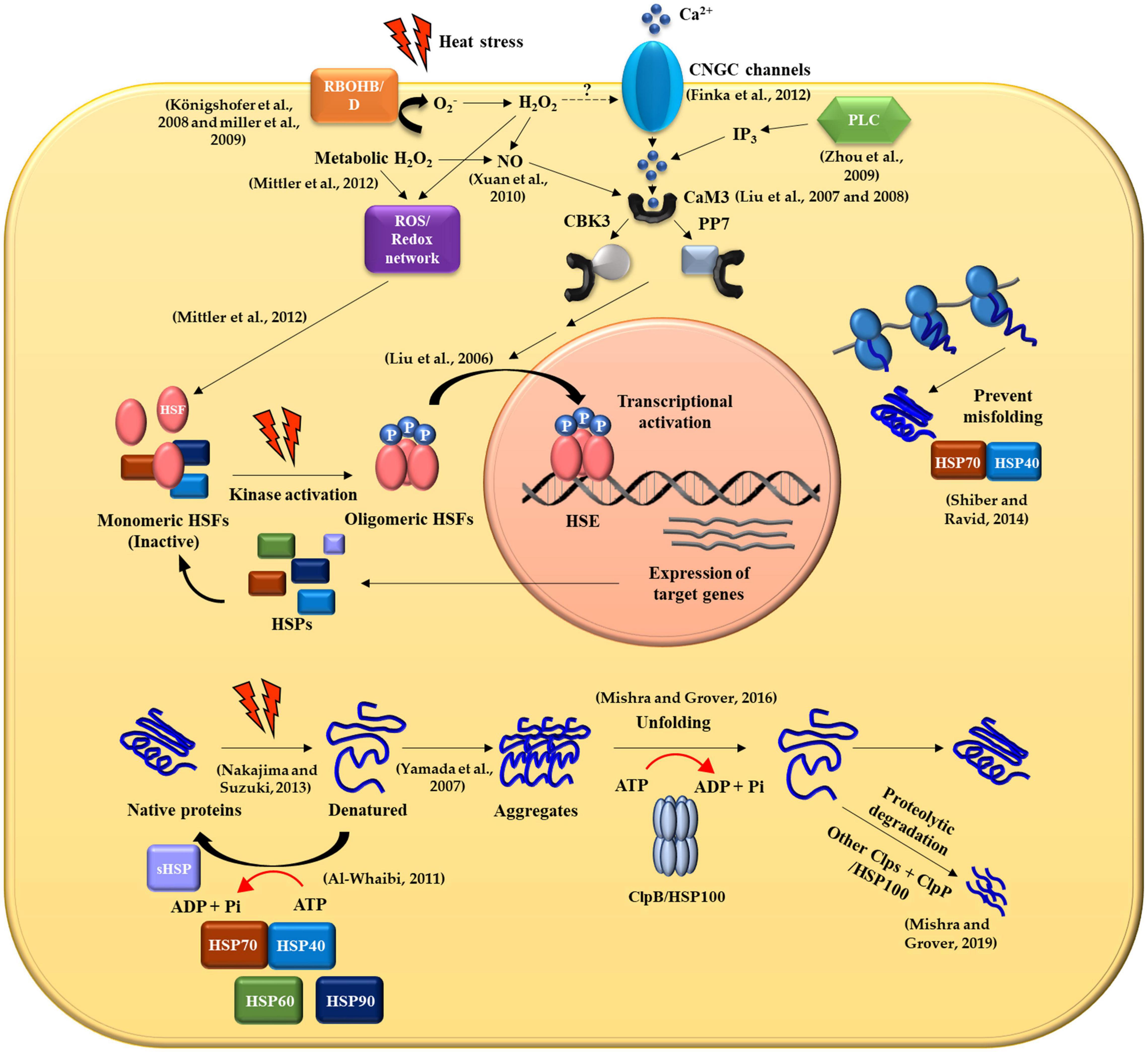
In parallel to hypoxia studies, Evo‑Devo has investigated the effects of thermal stress on Anolis embryonic development. As global temperatures rise, heat-induced malformations are becoming more common in ectothermic vertebrates like lizards.
Evo‑Devo’s experiments demonstrate that short-term exposure to high temperatures during early embryonic stages can cause skeletal deformities, neural tube defects, and abnormal organogenesis in Anolis lizards. These defects not only impair survival but may disrupt evolutionary fitness and species distribution.
This research has deep biotechnological relevance, especially in understanding how climate change influences animal populations at the molecular and cellular levels. Furthermore, it opens new avenues in toxicology screening and embryotoxicity assays, using reptiles as responsive bioindicators.
Advanced Culture Protocols for Avian and Reptilian Embryology
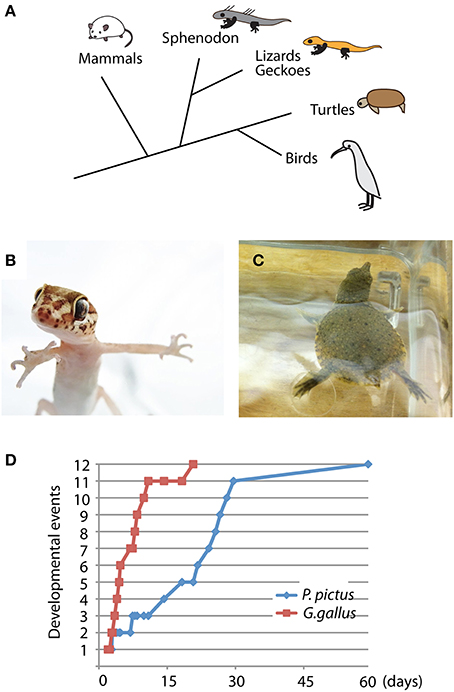
Evo‑Devo ’s contributions to the textbook Avian and Reptilian Developmental Biology include a detailed chapter outlining new in vitro culture protocols for Anolis lizard embryos. These innovations address longstanding technical challenges in maintaining viable reptilian embryos outside of the egg, enabling more precise experimental control and observation.
The protocols detail sterile extraction, nutrient medium optimization, and gas exchange regulation, supporting high-resolution time-lapse imaging, gene manipulation (CRISPR-Cas9), and in situ hybridization in reptile systems.
Such platforms are essential for dissecting spatiotemporal gene expression patterns, developmental plasticity, and conserved morphogenetic pathways shared across vertebrates. They also create a foundation for next-gen biotech applications, such as developmental screening, environmental genomics, and comparative embryology.
Integrative Evolutionary Morphology: Connecting Form, Function, and Evolution
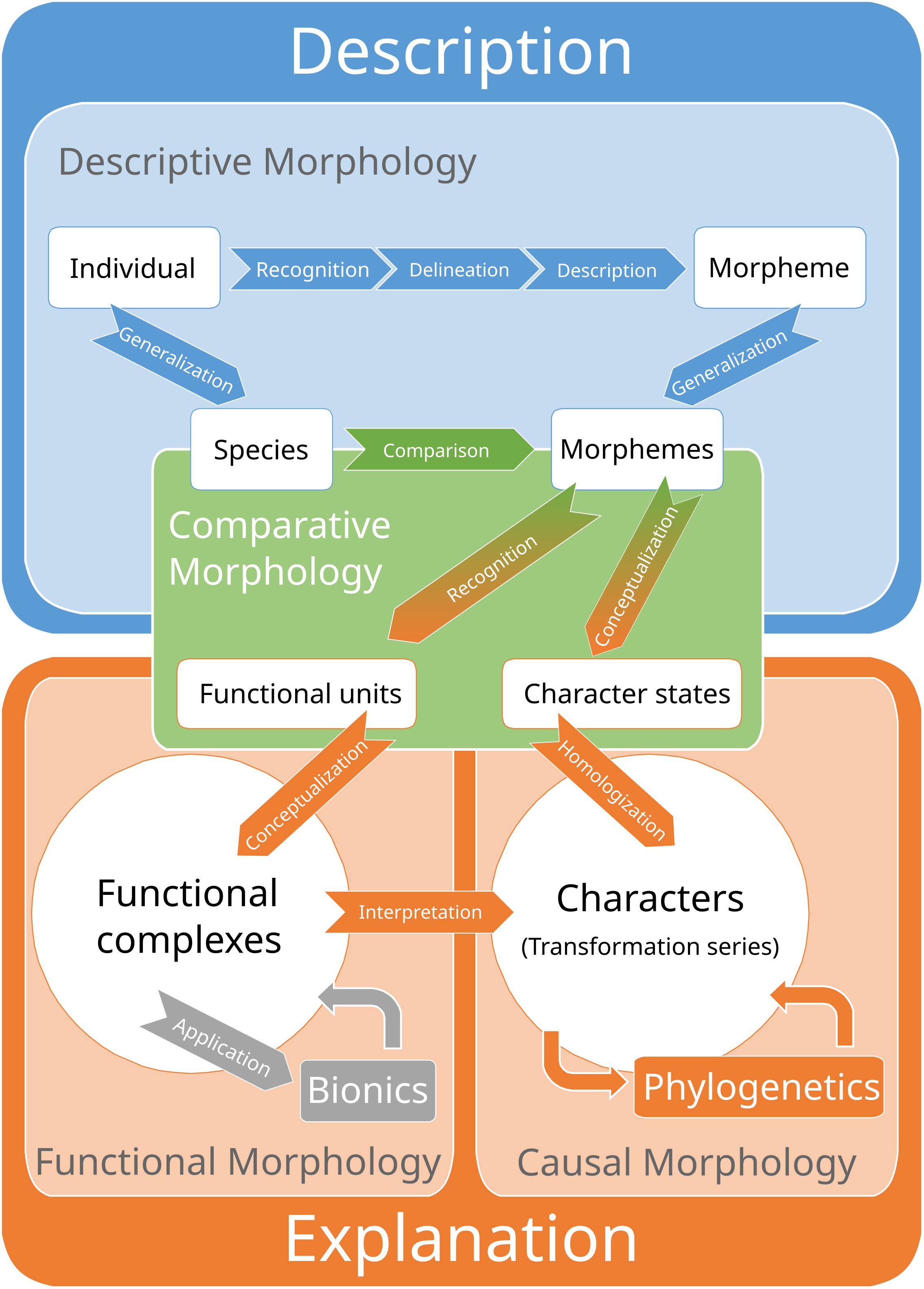
At the heart of Evo‑Devo’s work is a commitment to integrative evolutionary morphology the science of how anatomical structures develop, vary, and evolve in response to genetic and environmental inputs. This multidisciplinary approach combines:
- Comparative anatomy
- Embryological techniques
- Molecular biology
- Environmental modeling
- Functional genomics
Using the Anolis lizard as a tractable vertebrate model, Evo‑Devo investigates how morphological diversity arises through both adaptive evolution and developmental constraints. For example, studies on limb patterning and craniofacial shape under different oxygen and temperature conditions reveal conserved developmental pathways that govern vertebrate form.
This approach not only enriches our understanding of evolutionary biology but also lays the groundwork for bioinspired design, evo-devo algorithms, and regenerative medicine strategies.

Biotechnology Applications and Translational Potential
Evo‑Devo’s studies on anole embryology, hypoxia, and heat-induced defects are not purely academic they have direct applications in biotechnology and translational science.
Key application areas include:
✅ Embryotoxicity assays for pharmaceutical development
✅ Gene-environment interaction models for personalized medicine
✅ Evolutionary conservation studies for developmental gene networks
✅ Climate impact modeling on animal physiology and reproduction
✅ High-throughput screening platforms for teratogens and endocrine disruptors
✅ Developmental engineering for tissue reconstruction and biomimetic growth systems
Evo‑Devo’s protocols and model systems are now being integrated into international consortia focused on vertebrate developmental databases, epigenetic mapping, and adaptive biology placing the company at the frontier of next-generation biotechnology.
From Lizards to Labs
Gentaur’s Role in Shaping Developmental Science
From exploring the effects of hypoxia to refining culture protocols and analyzing thermal malformations,We are driving meaningful advances in animal developmental biology. Its work sits at the intersection of evolutionary theory, experimental embryology, and biotech innovation transforming how researchers approach life’s earliest stages.
In a world increasingly shaped by environmental change and technological acceleration, Our insights into avian and reptilian developmental biology not only deepen our scientific understanding but also power tools and techniques for a smarter, more responsive biotechnology industry.


Our latest content
Check out what's new in Anolis Evo Devo !